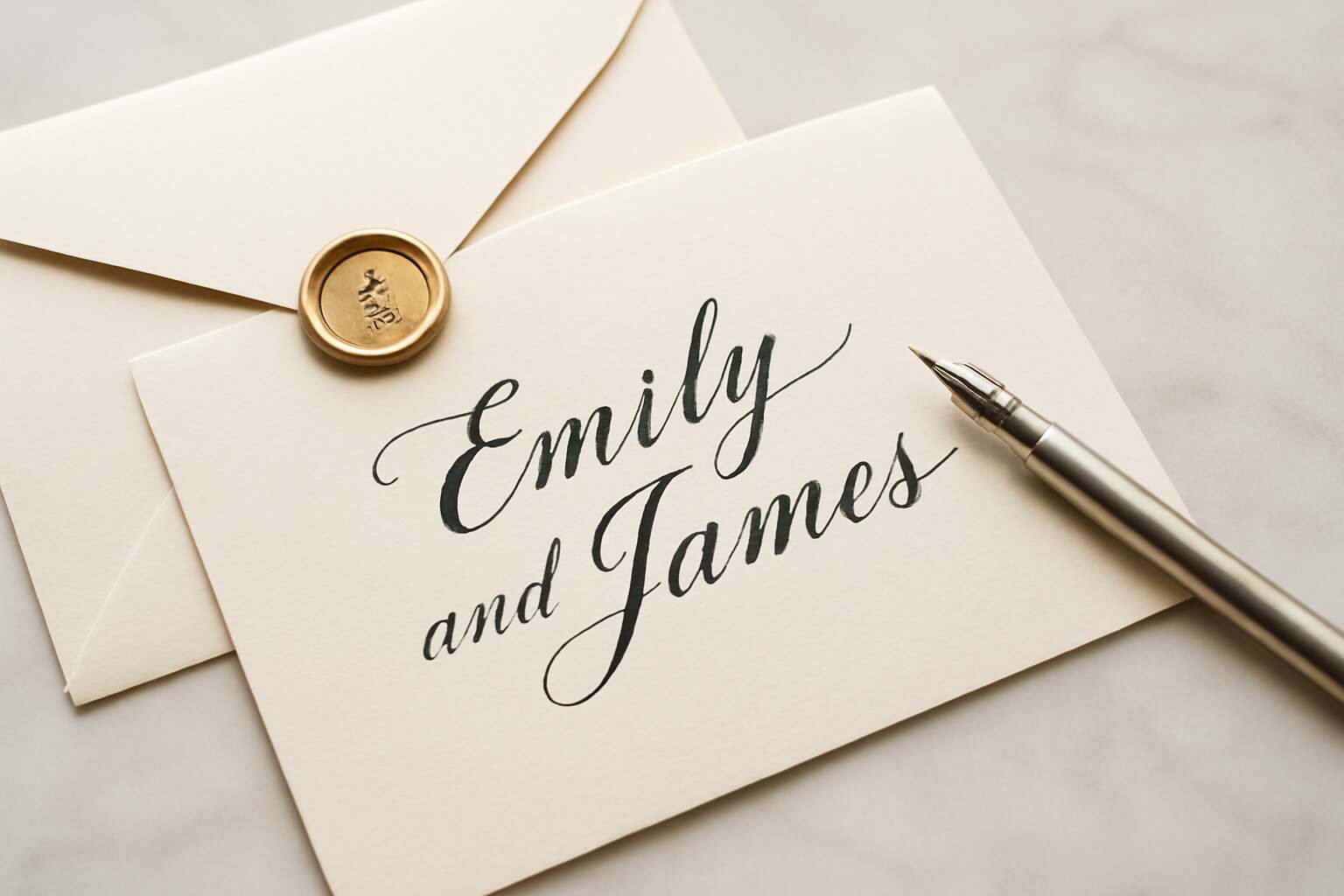
Crafting the Invitation Address: Names, Titles, and Salutations
Understanding Guest Status: Titles and Honorifics
In South Africa, the invitation is more than a card—it’s a quiet forecast of the day ahead. A growing body of wedding planning insight shows that guests notice the formality of names and titles before they read another line. This is the essence of wedding invitation address etiquette.
Names lead the line, followed by titles, then salutations. When a guest carries a professional title, use it (Dr., Prof., and so on); for couples, tidy “Mr. and Mrs.” or both full names if formality is preferred. The balance between respect and warmth matters, shaping the invitation’s voice from the very first contact.
Here are natural formats for common guests:
- Mr. and Mrs. Jonathan Smith
- Ms. Amina Patel
- Dr. Thabo Mokoena
- Prof. Naledi Khumalo
When the line reads with intention, it hints at the atmosphere to come and communicates care beyond the ceremony.
Correct Title Formatting: Mr., Mrs., Miss, Ms., Dr., and more
In South Africa, nearly 68% of guests admit the invitation’s address shapes their mood before the first RSVP lands. This is the craft behind wedding invitation address etiquette. Names lead the line, followers of titles, then salutations—a tidy format signaling respect and warmth before the music starts.
Consider these natural formats for common guests:
- Mr. and Mrs. Jonathan Smith
- Ms. Amina Patel
- Dr. Thabo Mokoena
- Prof. Naledi Khumalo
A consistent approach across hosts keeps the tone polished and avoids mixed signals, hinting at the atmosphere to come without shouting about formality.
Full Names vs. Preferred Names: When to Use Each
Names lead the line, then titles, and finally salutations—the cadence of a well-inked invitation. In a South African setting, where many voices gather, the wedding invitation address etiquette becomes a quiet spell that respects each voice before the first RSVP lands. Full names carry gravity; preferred names invite warmth—useful for guests who balance status with intimate ties.
- Use full names with titles for guests in professional or ceremonial roles.
- Opt for preferred given names for family and close friends to signal warmth.
- Middle initials or full middle names are optional; maintain consistency across all invites.
Consistency of form across your guest list signals clarity and grace, letting the celebration unfold with quiet confidence.
Household and Individual Names: Addressing Multiple Recipients
South Africa’s wedding invitation address etiquette reads like a chorus, where respect for voice meets refined form. Names set the tone, titles pin the setting, and salutations seal the mood. The cadence honors status without dampening warmth, a balance that spans corporate leaders to beloved relatives. In practice, I hear the chorus come together on the page—this is wedding invitation address etiquette.
- Household line for families: The Mokoena Family
- Individual guests with titles: Dr. Sipho Mokoena
- Close friends using preferred names: Thandi and Sipho
To address multiple recipients clearly, align line breaks and ordering across invitations. Household names should match the style used for individuals, creating a seamless voice across the guest list. In a South African setting, where many voices converge, a calm, consistent pattern helps the celebration unfold with quiet confidence.
Address Formats by Relationship: Family, Friends, and Professional Contacts
Family and Extended Family: Parents, Siblings, and Generations
An invitation is a doorway into a family story, and the way names appear on the envelope can sing or falter. In South Africa’s homes, the act of address carries history as surely as a signature.
Address Formats by Relationship matter: Family and Extended Family—Parents, Siblings, and Generations—demand a balance of formality and warmth within wedding invitation address etiquette.
- Parents and step-parents: outer envelope often reads “Mr. and Mrs. [Surname]” for a married couple, or “Ms. [First] [Last]” when appropriate.
- Siblings and extended family: use “Ms./Mr. [First] [Last]” or the respectful “The [Surname] Family” for shared households.
- Grandparents and elders: prefer “Mr. and Mrs. [Surname]” or a dignified “The [Surname] Grandparents.”
- Friends and professional contacts: address with “Ms./Mr. [First] [Last]” or “Dr./Mr./Ms. [Surname]” when relevant.
The careful balance makes the day glow with gratitude and dignity.
Close Friends and Informal Settings: Balancing Warmth with Respect
In South Africa, the envelope is a doorway to a family story. Names whispered at the table become memory, and the way they appear on an invitation sets the day’s tone. “Names are doors we step through,” a quiet guide to wedding invitation address etiquette.
Address formats by relationship unfold like a ritual, balancing warmth with formality. I have witnessed how a single line can cradle generations and soften the moment before the ceremony!
- Parents and step-parents: outer envelope often reads “Mr. and Mrs. [Surname]” or “Ms. [First] [Last]” when appropriate.
- Siblings and extended family: use “Ms./Mr. [First] [Last]” or the respectful “The [Surname] Family.”
- Friends and professional contacts: address with “Ms./Mr. [First] [Last]” or “Dr./Mr./Ms. [Surname]” when relevant.
Let the line glow with gratitude and dignity; this is the heart of wedding invitation address etiquette.
Professional Contacts: Formality, Courtesy, and Boundaries
“An invitation is not merely ink; it is a doorway to a family story,” and in South Africa the envelope opens the day’s tone. Address formats by relationship—Family, Friends, and Professional Contacts—shape the mood, embodying formality without stiffness. In the realm of wedding invitation address etiquette, the line between warmth and respect is the silent conductor.
Family lines carry generations, even as households grow and shift; Friends lines balance personal warmth with South African hospitality; Professional Contacts lines uphold formal courtesy and appropriate boundaries.
- Family: honor multi-generational ties with names that respect households and, where appropriate, inclusive language for blended families.
- Friends: celebrate closeness with a touch of personality while preserving tact and courtesy.
- Professional Contacts: foreground titles and professional status to maintain boundaries and mutual respect.
Domestic vs International Address Etiquette: Dialects and Conventions
Domestic US Address Formatting: Street, City, State, ZIP
As one planner puts it, “The address is the first hello.” In wedding invitation address etiquette, the script carries tone as surely as the words themselves. Dialects and conventions shape how names breathe on the page, and a thoughtful approach honours both local customs and the guest’s sense of place, from Cape Town to Chicago.
Domestic US Address Formatting: Street, City, State, ZIP sits alongside international norms. For guests abroad, the order and line breaks reflect their country’s conventions, aiding legibility across borders. In South Africa, outer lines may indicate the country when appropriate, while keeping inner lines tidy.
- US: Street, City, State, ZIP
- International: City, Postal Code, Country
International Address Differences: Country Codes, Province/State, and Postal Formats
‘The address is the first hello,’ a planner says. It sits at the heart of wedding invitation address etiquette, shaping tone before a guest even reads the names. Short lines and mindful order lend a sense of place and care.
Domestic vs International address differences matter because readers parse lines quickly. For South Africa, outer lines may indicate the country in international mail, while inner lines stay tidy and readable.
- US style: Street, City, State, ZIP
- South Africa style: Street, Suburb, City, Postal Code
- International style: City, Postal Code, Country
Dialects and conventions shape how names breathe on the page; country codes, province/state, and postal formats map etiquette across borders. This is at the heart of wedding invitation address etiquette.
RSVP and Contact Details: Email, Phone, and Response Preferences
The envelope speaks before the words are read—a quiet bow of care. In South Africa, domestic address etiquette favors crisp inner lines, while the country name may ride the outer fold for international guests. Across borders, the rhythm shifts: City, Postal Code, Country.
When we speak of wedding invitation address etiquette, tone matters as much as form. Dialects weave texture into the lines, and the order preserves legibility for busy readers. For South Africa and beyond, keep to a clean sequence: Street, Suburb, City, Postal Code.
RSVP and contact details should be straightforward: an email address and a phone number, with guests’ preferred response method clearly indicated, whether by text, email, or form.
Punctuation and Abbreviations Across Borders
“The envelope is the first handshake,” a seasoned planner once said, and a neat address makes that handshake feel personal. In South Africa, domestic invites benefit from crisp inner lines, while the country name may ride the outer fold for international guests. Across borders, the rhythm shifts: City, Postal Code, Country. For South Africa and beyond, keep to a clean sequence: Street, Suburb, City, Postal Code.
Dialects and conventions shape line breaks and readability, so punctuation and abbreviations carry weight across borders. Use standard abbreviations (St, Ave, Rd) and maintain consistency in the final layout.
- Domestic (South Africa): Street, Suburb, City, Postal Code
- International: Street, Suburb, City, Postal Code, Country (placed on an outer fold)
All of this ties into wedding invitation address etiquette, where clarity brackets style and cultural nuance into one carefully composed address.
Special Cases: Apartment Numbers, Care Of, and Suite Designations
A crisp envelope is the first handshake in wedding invitation address etiquette. In South Africa, domestic invites follow Street, Suburb, City, Postal Code, while international guests have the Country tucked on the outer fold. The rhythm shifts, so clarity beats ornament.
Dialects and conventions shape line breaks, so use standard abbreviations (St, Ave, Rd) and spare punctuation. The aim is legibility across mailrooms and kitchens alike, letting the recipient’s name travel beside the place you’ve chosen.
Special cases you’ll encounter include Apartment Numbers, Care Of, and Suite Designations. Here are practical inserts:
- Apt or Unit number on its own line
- Care Of (c/o) when a recipient uses a guardian or building name
- Suite or Floor designations for multi-tenant buildings
This balance is at the heart of wedding invitation address etiquette.
Practical Guide to Invitation Addressing: Templates, Timeline, and Mistakes
Choosing a Style: Formal, Semi-Formal, or Casual
Across South Africa, a well-crafted invitation is more than a card—it’s the first glimpse of a couple’s story. A beautifully addressed invitation can set the tone the moment it’s opened. This guide on wedding invitation address etiquette centers on practical templates, a reliable timeline, and the moment to choose between formal, semi-formal, or casual style.
- Templates that respect households and individuals, with clear lines for surname placement and legibility.
- Timeline considerations for local post and courier times, including save-the-date and RSVP deadlines.
- Mistakes to avoid: mismatched formality, misspelled names, or cramped addresses that obscure details.
When style is consistent—formal, semi-formal, or casual—envelopes, typography, and wording align to honor guests and the couple’s moment.
Addressing LGBTQ+ Couples: Inclusive Titles and Names
An invitation is the first dance step of your wedding story—a statement that travels farther than the RSVP. “The invitation is the first handshake,” a seasoned planner likes to say. In South Africa, a thoughtful address signals the tone before the guests open the envelope.
Practical templates keep style consistent. This is wedding invitation address etiquette that blends templates, timeline, and mindful inclusivity.
- Formal: The Honour of Your Presence is Requested at the Marriage of [Full Name] and [Full Name].
- Semi-formal: [Full Name] and [Full Name] Request the Pleasure of Your Company at Their Wedding.
- Casual: [First Name] and [First Name] Invite You to Celebrate Their Wedding.
To honour LGBTQ+ couples, use inclusive titles or none, list both partners, and avoid pronoun assumptions. A practical timeline—save-the-date early, RSVP a few weeks before, and align with local post times—keeps invitations smooth. Avoid mismatched formality, misspelled names, or cramped addresses.
Common Mistakes to Avoid: Misspellings, Inaccurate Titles, and Missing Addresses
A crisp invitation is more than a card—it is a promise that the celebration will respect every guest’s time and place. In South Africa, the first impression arrives with the address and can set the tone before the envelope is opened. A practical timeline—save-the-date early, RSVP a few weeks before, and align with local post times—keeps invitations smooth. In practice, wedding invitation address etiquette guides every line, and mastery of the craft can quiet the nerves of planning and reinforce hospitality.
- Formality that matches the event without stiffness
- Consistent use of full names for all recipients
- Inclusive language and balanced title choices
Mistakes to avoid: misspellings, inaccurate titles, and missing addresses. A quick checklist—double-check names, confirm postal codes, and note apartment or suite details—saves last-minute scrambles and ensures the invitation reaches the right doorstep.


0 Comments